Everything You Should Know About RV Towing in Tonawanda, NY
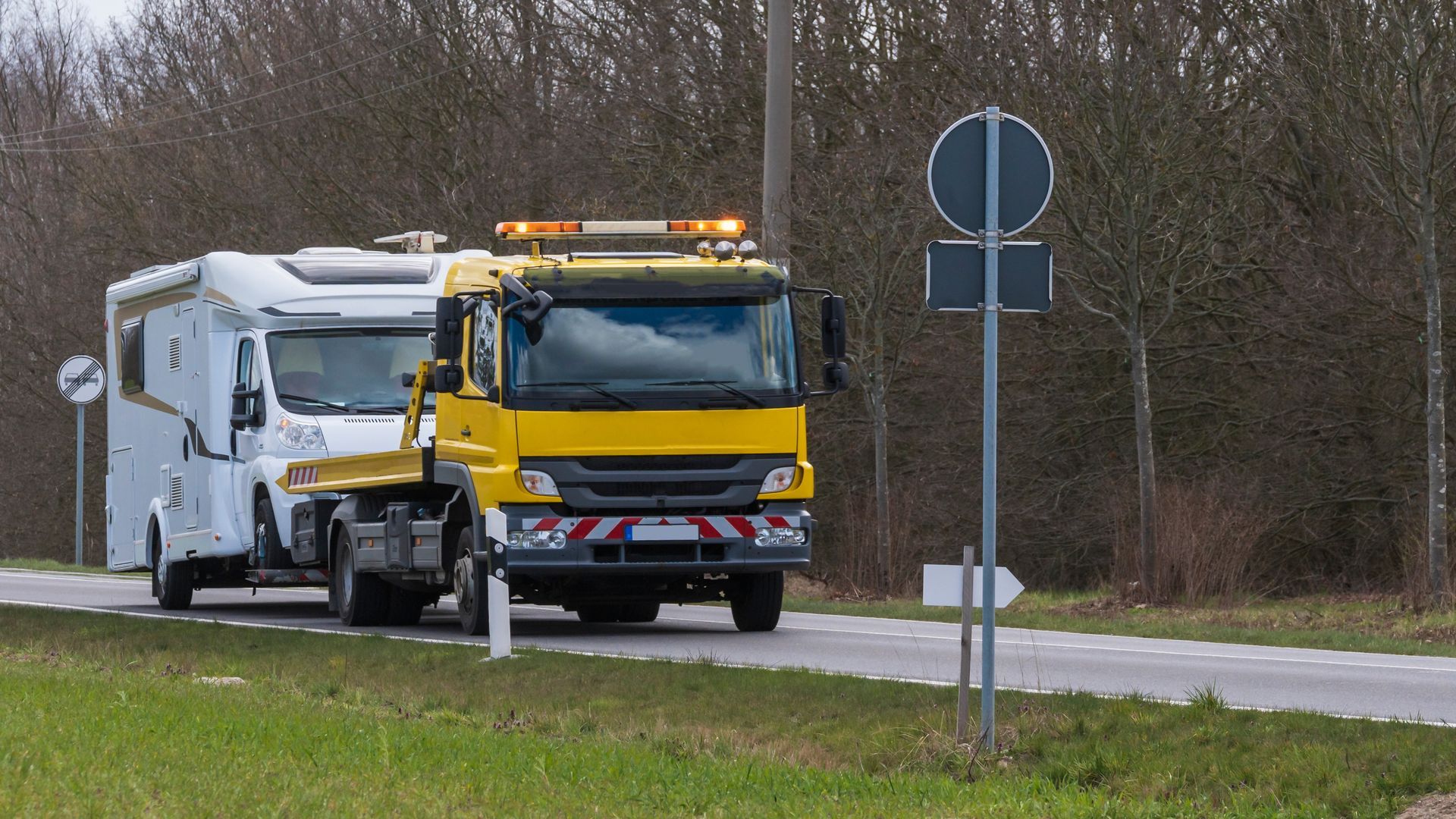
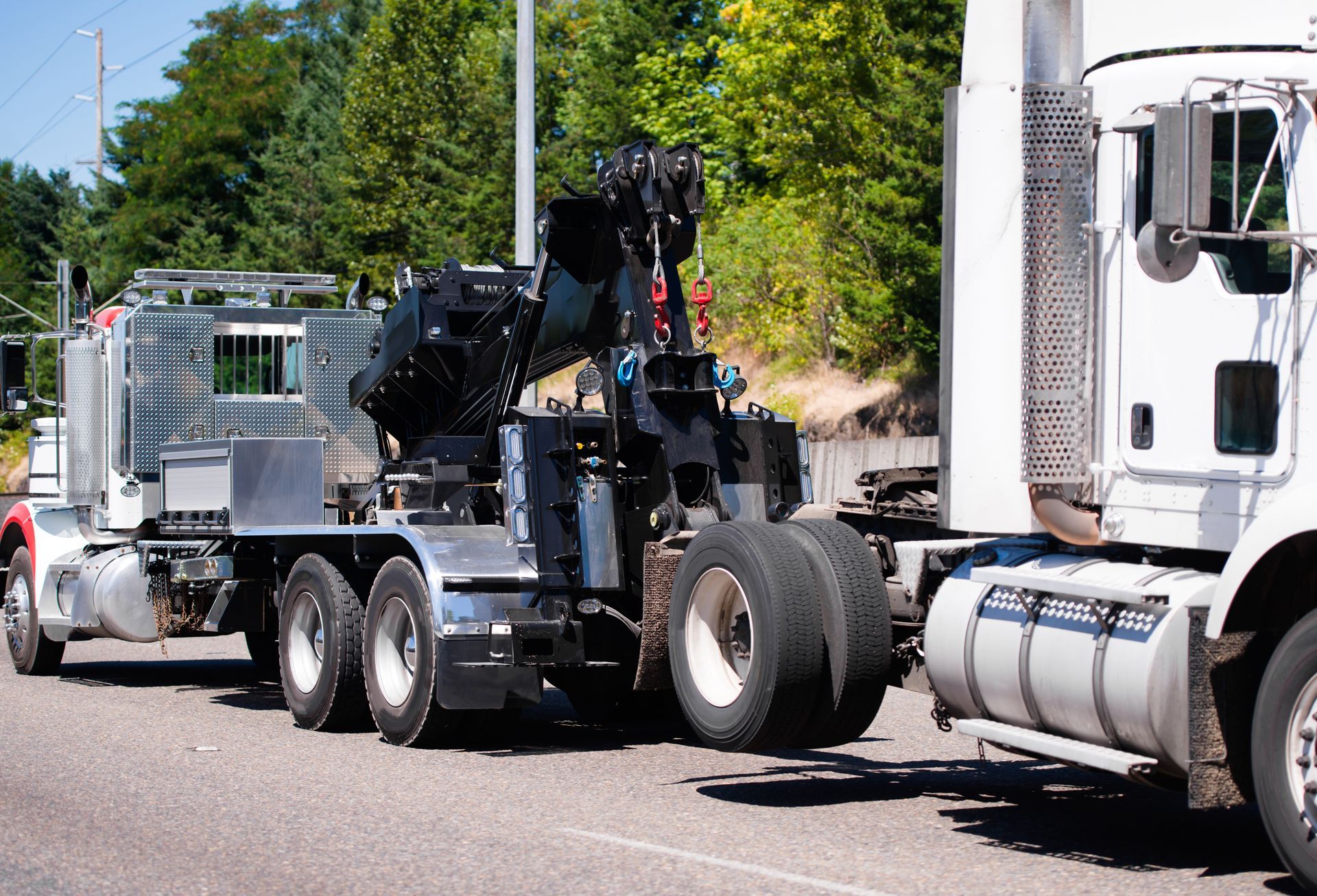
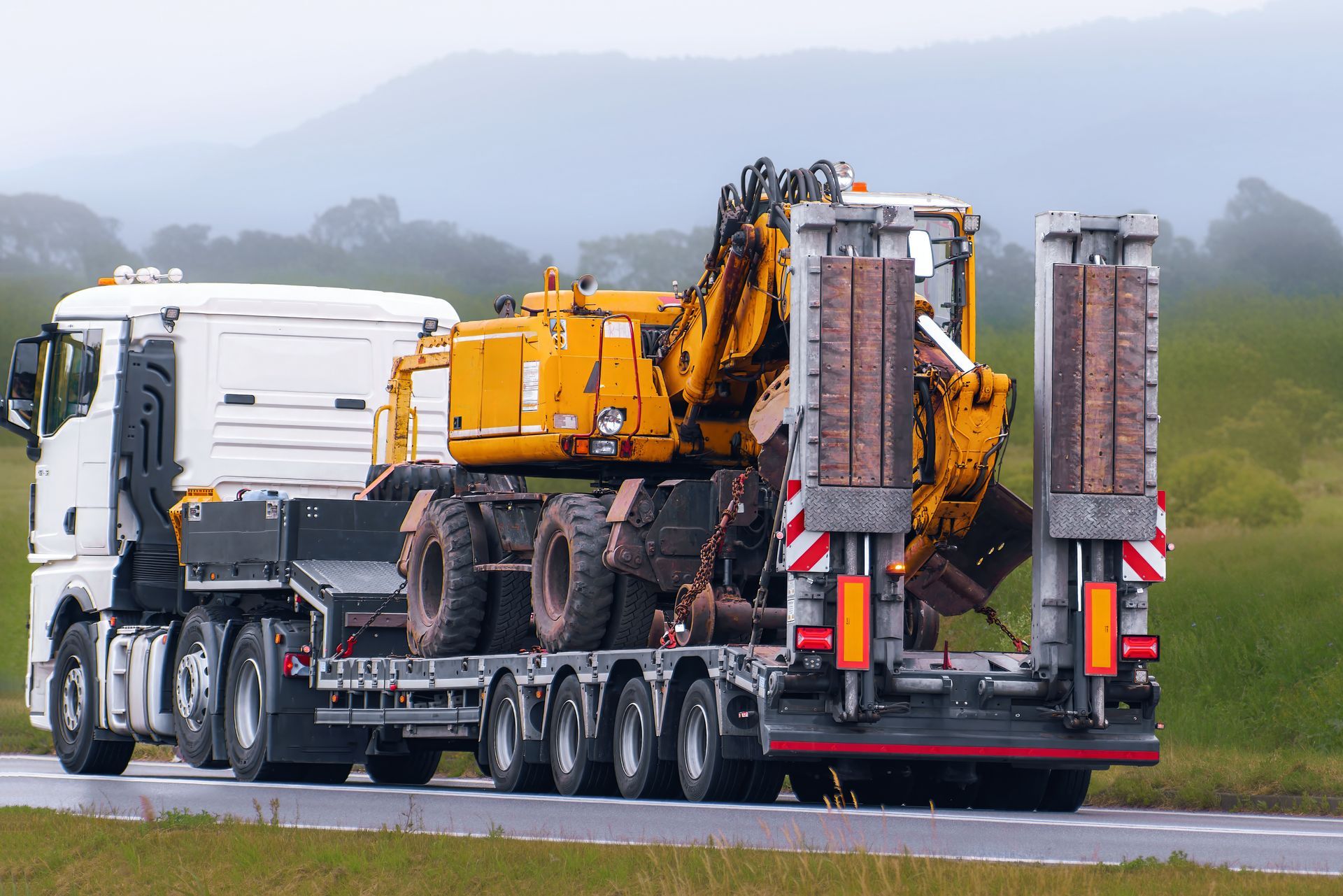
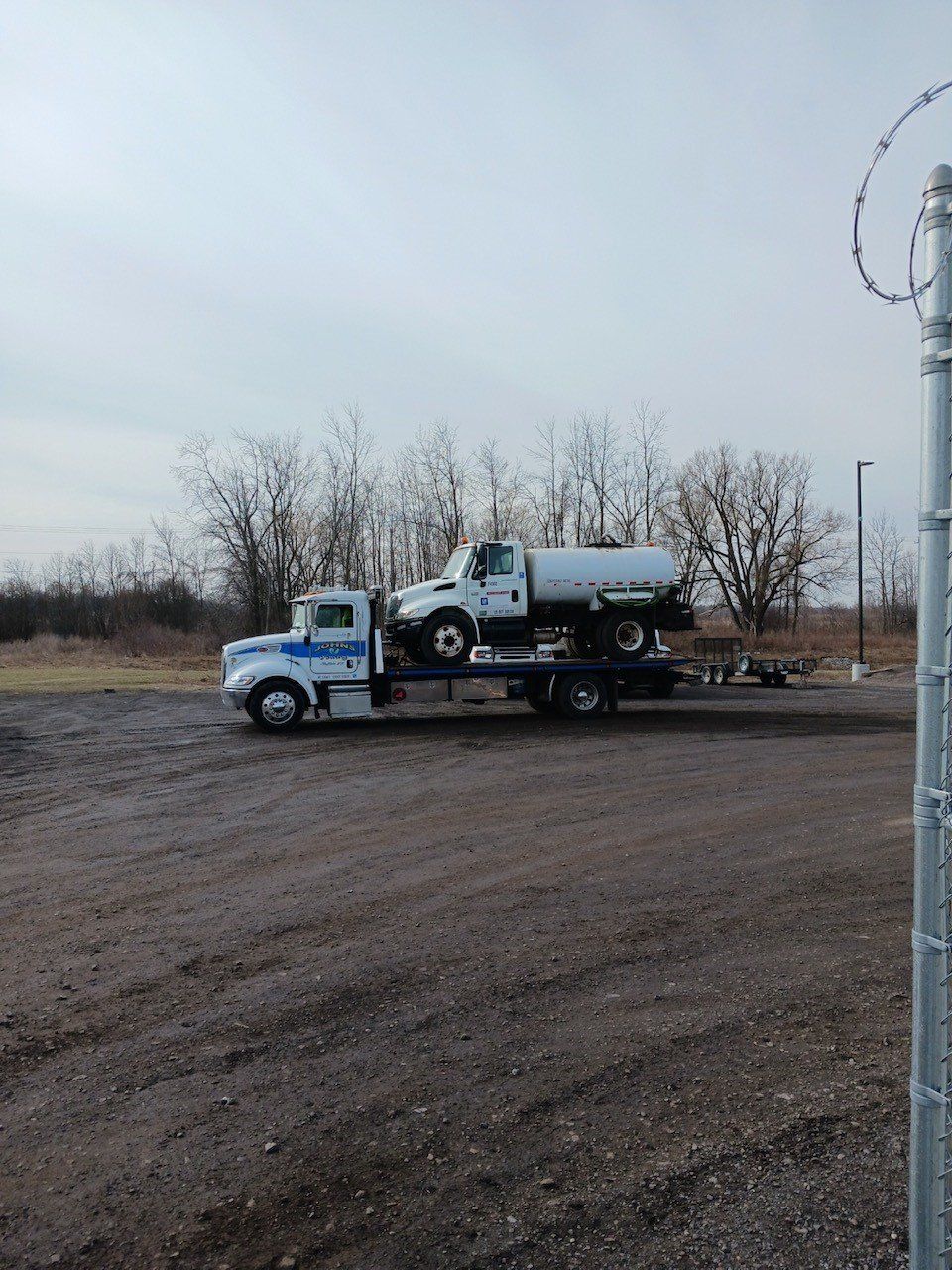
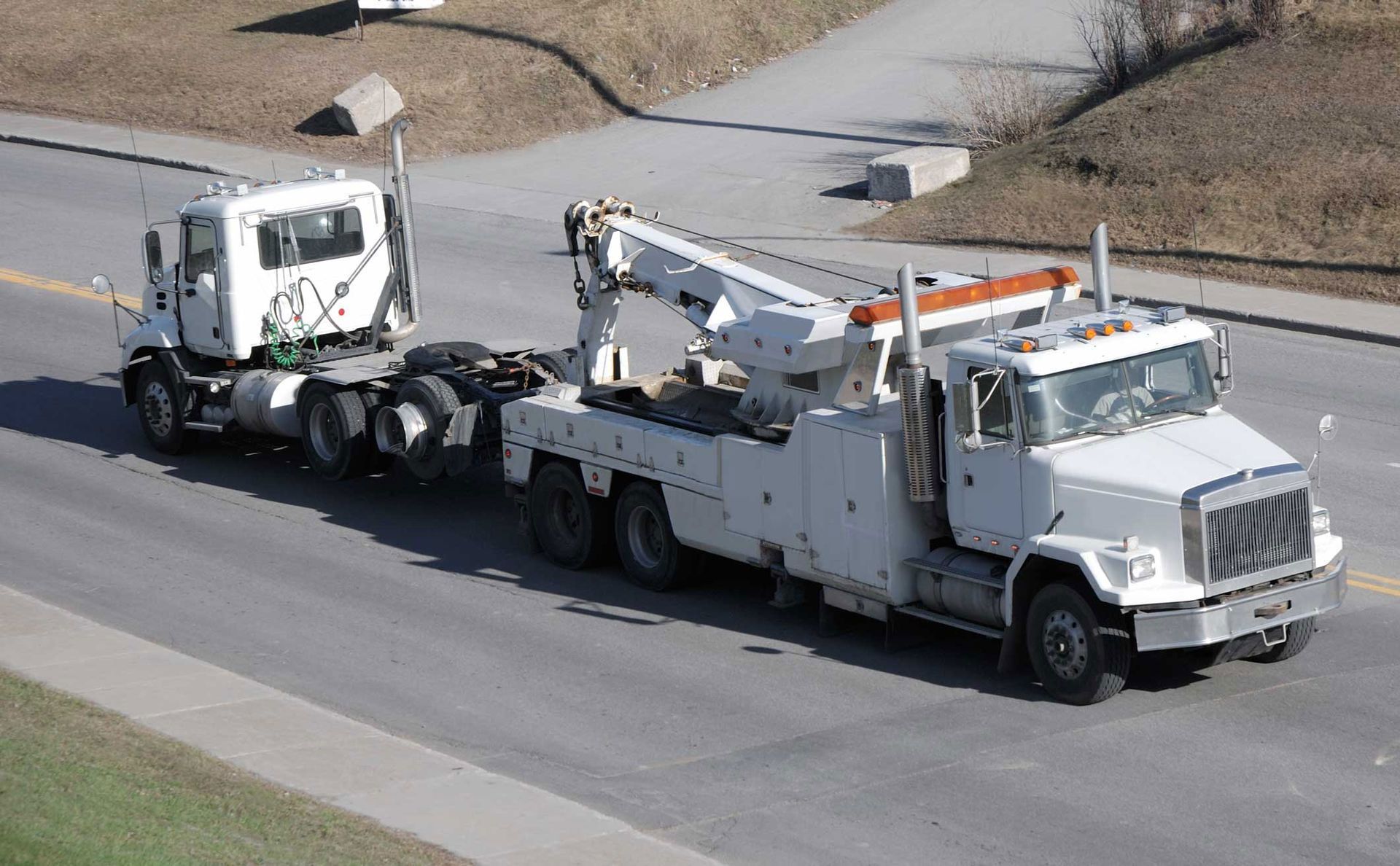
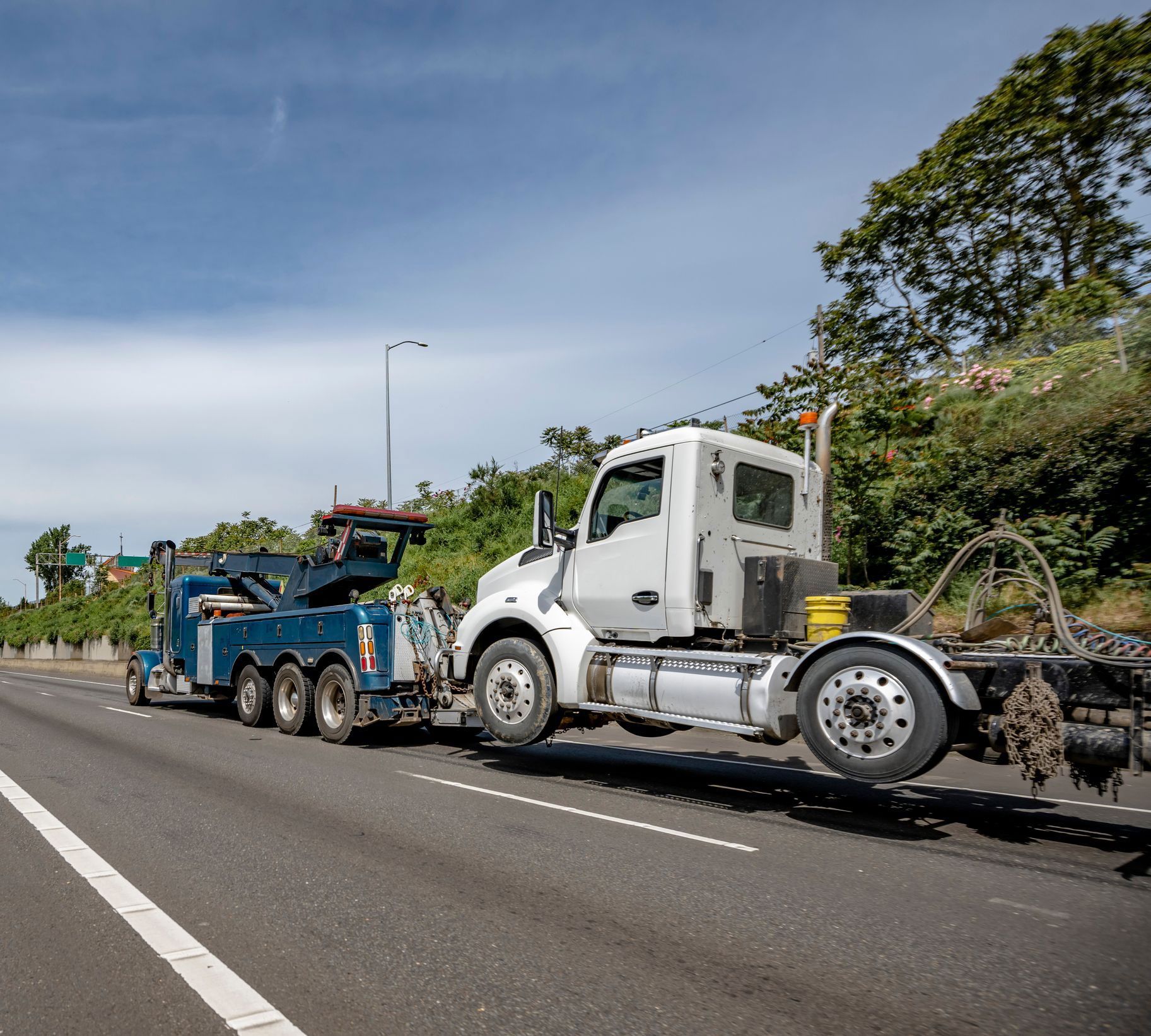
RV towing is an essential service for RV owners in Tonawanda, NY, who want to ensure their vehicle is transported safely without damage or risk. Whether you’re dealing with a breakdown, relocating your RV, or planning a long-distance move, understanding how towing works can save you time, money, and stress. Proper towing involves specialized equipment, trained operators, and adherence to safety protocols designed to handle the size and weight of recreational vehicles. Factors such as vehicle type, drivetrain, weight distribution, and towing method all play a critical role in determining the safest approach. For instance, flatbed towing may be preferred for certain RVs to prevent wear on tires and drivetrain components, while heavy-duty towing equipment is often required for larger motorhomes. In addition to equipment, preparation is equally important. RV owners should ensure that all personal belongings are securely stored, utilities are properly disconnected, and the vehicle is inspected for any mechanical issues prior to transport. Understanding weight limits and towing capacities helps prevent overloading, which can lead to instability during transit. Road conditions, weather, and travel distance also influence towing safety, making it important to plan routes carefully and account for variables such as braking distance and turning radius. By combining proper preparation with professional handling techniques, RV towing becomes a controlled and efficient process that minimizes risks and ensures the vehicle arrives at its destination in optimal condition.
Importance of Proper Weight Distribution and Payload Limits
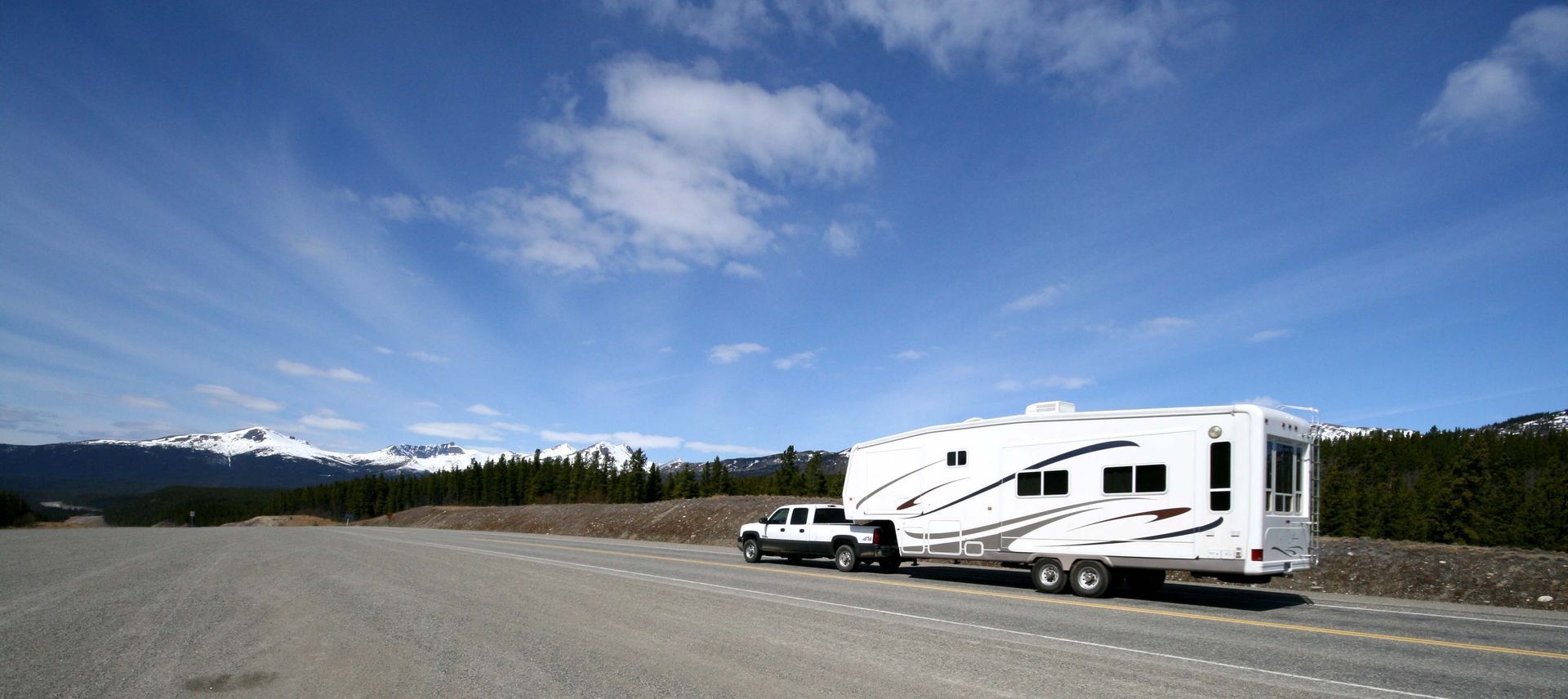
Proper weight distribution and adherence to payload limits are critical factors in ensuring safe and efficient towing. An improperly loaded RV can create instability on the road, increasing the risk of swaying, reduced braking efficiency, uneven tire wear, and potential loss of control, especially at higher speeds or during turns. Maintaining a balanced load across the RV helps improve handling, supports braking performance, and reduces stress on the suspension and towing components. It also ensures compliance with manufacturer specifications such as GVWR (Gross Vehicle Weight Rating) and axle weight limits, which are designed to keep the vehicle operating within safe mechanical boundaries.
To better understand how to maintain safe loading practices, consider the following key guidelines:
• Evenly distribute weight from front to rear and side to side to maintain stability.
• Avoid exceeding the Gross Vehicle Weight Rating (GVWR) or individual axle limits.
• Secure all cargo to prevent shifting during acceleration, braking, or turns.
• Place heavier items lower and closer to the center of the RV to improve the center of gravity.
• Balance tongue weight or hitch load appropriately to prevent trailer sway or excessive strain.
• Reassess weight distribution after loading to ensure it remains within safe limits.
• Account for additional weight from water tanks, fuel, and personal belongings when calculating total payload.
Pre-Tow Inspections: Essential Checks to Ensure Safe and Reliable RV Towing
Conducting thorough pre-tow inspections and routine vehicle maintenance checks is essential for ensuring safe and reliable RV towing. Before hitting the road, it’s important to verify that both the RV and towing components are in proper working condition to minimize the risk of breakdowns, delays, or safety hazards. A well-maintained vehicle is less likely to experience mechanical issues during transit, and early detection of potential problems, such as worn tires, faulty brakes, or loose connections, can prevent accidents and costly repairs. These inspections also help confirm that all towing equipment is securely attached and functioning correctly, providing added confidence throughout the journey.
To ensure your RV is ready for towing, consider the following inspection checklist:
• Check tire condition, tread depth, and tire pressure on both the RV and towing vehicle.
• Inspect brakes to ensure proper responsiveness and wear levels.
• Verify hitch connections, safety chains, and locking mechanisms are secure.
• Examine fluid levels, including engine oil, coolant, brake fluid, and transmission fluid.
• Test all lights, including brake lights, turn signals, and hazard lights.
• Inspect the battery to ensure it is fully charged and functioning properly.
• Look for any visible leaks, cracks, or structural issues on the RV.
• Confirm mirrors are properly adjusted for visibility and blind spots.
Master Safe Driving for RV Towing: Control Speed, Braking, and Turns With Confidence
Safe driving is one of the most important aspects of RV towing, as the added weight and length of an RV significantly affect how a vehicle responds on the road. Drivers must adjust their habits to account for longer stopping distances, wider turning radiuses, and reduced acceleration. Maintaining control requires a calm, attentive approach, especially when navigating highways, curves, intersections, or changing traffic conditions. By following proper driving techniques and staying aware of surroundings, RV owners can reduce the likelihood of accidents and ensure a smoother towing experience.
To help maintain safety while on the road, follow these key driving practices:
• Adhere to recommended speed limits and drive at a moderate speed to maintain stability and control.
• Increase following distance to allow for longer braking distances and safer reaction time.
• Apply brakes gradually and early to avoid sudden stops that could cause sway or loss of control.
• Take wide, gradual turns to accommodate the extended length of the RV and prevent curb or obstacle contact.
• Avoid sudden lane changes or sharp steering movements that may destabilize the RV.
• Use mirrors frequently to monitor blind spots and track surrounding traffic.
• Stay especially cautious in windy conditions, on inclines, or during adverse weather.
If you need dependable towing, having a trusted team ready can make all the difference when unexpected situations arise. Professional support ensures your RV is handled with care, using the right equipment and safety practices from start to finish. Contact us today to get reliable assistance and keep your travel plans moving without unnecessary delays.